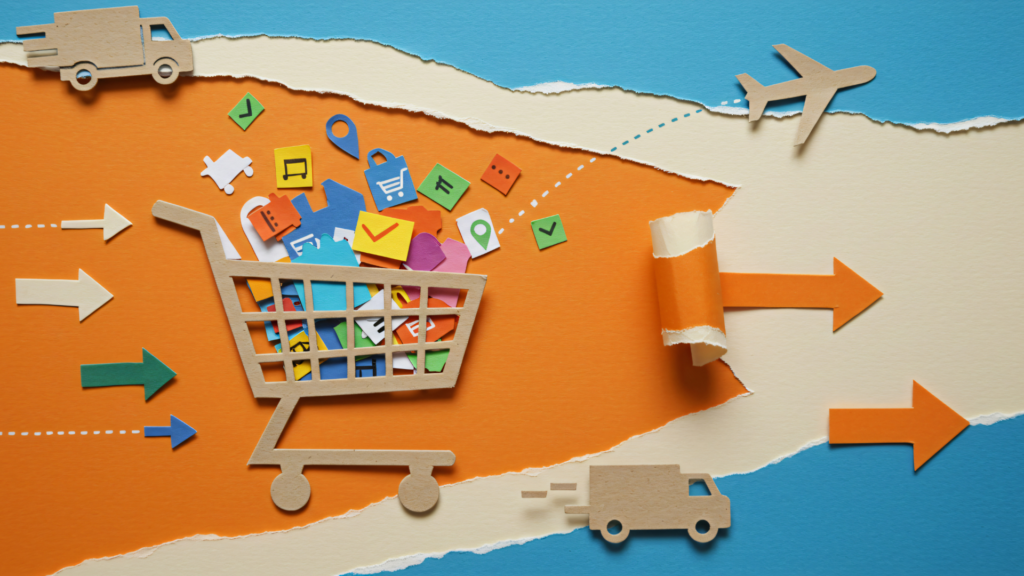
Online shopping has come a long way from simple product listings and checkout pages. What once depended on search bars and filters has evolved into a highly personalized experience. By 2026, artificial intelligence sits quietly at the center of e-commerce, shaping how people discover products, make decisions, and interact with brands.
This transformation is not loud or obvious. Most users do not see the algorithms working behind the scenes. Yet nearly every click, recommendation, and interaction is guided by intelligent systems designed to make shopping faster, smoother, and more relevant.
Shopping Is Becoming Predictive Instead of Reactive
Earlier e-commerce platforms responded to user actions. A search led to results. A click led to recommendations.
In 2026, AI predicts intent before action occurs.
By analyzing browsing patterns, timing, previous purchases, and behavior trends, AI systems anticipate what customers might need next. Suggestions appear naturally, not aggressively.
This predictive approach reduces decision fatigue and improves satisfaction.
Shopping begins to feel intuitive rather than overwhelming.
Personalization Goes Beyond Recommendations
Personalization in 2026 is far deeper than “customers also bought.”
AI understands preferences, price sensitivity, brand loyalty, and even seasonal behavior. Homepages, offers, and product layouts adapt for each user.
Two people visiting the same store may see completely different experiences.
This level of customization increases engagement and conversion without manipulating users.
Relevance replaces randomness.
AI Is Transforming Product Discovery
Finding the right product used to require effort.
Now, AI-powered search understands natural language. Customers can describe problems instead of products.
Visual search allows users to upload images and find similar items instantly.
Voice-based shopping continues to grow, especially on mobile and smart devices.
Discovery becomes effortless.
Smarter Pricing and Discounts
Pricing strategies have become dynamic.
AI analyzes demand, competition, inventory levels, and consumer behavior in real time. Prices adjust intelligently without harming trust.
Personalized discounts are offered based on user engagement rather than blanket sales.
This improves profitability while maintaining fairness.
Inventory and Supply Chains Become Intelligent
Behind the storefront, AI manages inventory with remarkable precision.
Demand forecasting prevents overstock and shortages. Warehouses operate efficiently through automation and predictive planning.
Delivery routes optimize fuel usage and speed.
Customers experience faster shipping and fewer cancellations.
Efficiency directly improves customer trust.
Customer Support Is Largely AI-Assisted
In 2026, most customer queries are handled instantly.
AI-powered chat systems understand context and history. They resolve issues without repeating information.
When human support is needed, agents receive full summaries.
Support becomes faster and less frustrating.
AI removes waiting — not empathy.
Reducing Returns Through Smart Assistance
Product returns have long been a major challenge.
AI now helps customers choose the right size, model, or specification before purchase.
Virtual try-ons, size predictions, and usage simulations reduce mismatch.
Fewer returns mean lower costs and happier customers.
Trust and Transparency Matter More Than Ever
As personalization increases, trust becomes critical.
Consumers want to know how data is used.
In 2026, ethical AI practices and transparent policies play a major role in brand reputation.
Companies that respect privacy earn loyalty.
Trust becomes a competitive advantage.
AI Helps Small Businesses Compete
Earlier, advanced e-commerce tools were available mainly to large companies.
AI has leveled the playing field.
Small businesses now access intelligent marketing, automation, and analytics tools at low cost.
This allows independent sellers to compete effectively.
Innovation becomes accessible.
Marketing Becomes More Human-Centered
AI-driven marketing focuses less on interruption and more on relevance.
Campaigns reach users at the right moment with the right message.
Content, emails, and offers feel natural rather than spammy.
This improves brand relationships and long-term retention.
Emotional Intelligence in Online Shopping
AI systems now analyze engagement patterns to understand customer mood indirectly.
Timing and tone of communication adapt accordingly.
Aggressive sales tactics are replaced by supportive guidance.
Shopping becomes calmer and more enjoyable.
Challenges Remain
Despite progress, challenges continue.
Over-automation, data misuse, and algorithm bias must be carefully managed.
Human oversight remains essential.
The best platforms balance intelligence with responsibility.
The Future of Online Commerce
E-commerce in 2026 is not about flashy technology.
It is about simplicity.
AI removes friction so users can focus on choice, quality, and experience.
Behind every smooth journey lies complex intelligence working quietly.
Final Thoughts
AI is not replacing human commerce.
It is refining it.
By understanding customers better, predicting needs, and removing inefficiencies, AI creates better digital marketplaces.
The future of e-commerce is not robotic.
It is personal, responsive, and deeply human.