1. Cybersecurity Is No Longer a Choice in the Digital Era
As businesses, governments, and individuals move deeper into the digital world, cyber threats are growing in both scale and sophistication. Data breaches, ransomware attacks, and identity theft have become everyday risks. Traditional security systems struggle to respond fast enough, making artificial intelligence an essential part of modern cybersecurity strategies.
2. AI Is Transforming Security From Reactive to Preventive
Earlier, cybersecurity focused on responding after an attack occurred. AI changes this approach by identifying vulnerabilities before hackers exploit them. Predictive intelligence allows systems to anticipate threats rather than merely reacting to damage.
3. Continuous Network Monitoring Improves Protection
AI systems monitor digital networks 24/7 without fatigue. They analyze traffic behavior, login activity, and data movement patterns, instantly detecting anomalies that humans might overlook during manual checks.
4. Real-Time Threat Detection Reduces Response Time
Speed is critical in cybersecurity. AI can detect suspicious behavior within milliseconds and trigger automatic responses. This rapid reaction prevents malware from spreading and limits financial or data loss.
5. Machine Learning Helps Security Systems Learn Over Time
Machine learning enables cybersecurity tools to evolve. Each detected threat improves the system’s understanding, allowing it to recognize new attack patterns more accurately in the future.
6. AI Identifies Unknown Threats More Effectively
Signature-based security tools only recognize known attacks. AI focuses on behavior analysis, allowing it to detect zero-day threats that have never been seen before.
7. Behavioral Analysis Adds an Extra Security Layer
Instead of relying only on passwords, AI studies how users normally behave. When login times, locations, or actions suddenly change, the system flags the activity as potentially dangerous.
8. AI Strengthens Identity and Access Management
Modern cybersecurity systems use AI to determine risk levels for every login attempt. High-risk behavior may require additional authentication, improving overall account protection.
9. Phishing Attacks Are Being Detected More Accurately
Phishing emails continue to deceive users. AI analyzes writing style, domain reputation, and message intent to block malicious emails before they reach inboxes.
10. AI Protects Businesses From Ransomware
Ransomware attacks can shut down entire organizations. AI monitors unusual encryption activity and isolates infected systems instantly, preventing widespread damage.
11. Cloud Security Depends Heavily on AI
With cloud adoption increasing, protecting distributed environments becomes complex. AI helps monitor cloud configurations, detect risky permissions, and prevent unauthorized access.
12. AI Improves Endpoint Security Across Devices
From laptops to mobile phones, endpoints remain common attack targets. AI continuously analyzes device behavior to detect malware or suspicious processes early.
13. Fraud Detection Is Becoming Smarter With AI
Banks and online platforms use AI to detect fraudulent transactions. By analyzing spending behavior, AI can identify unusual activity and block transactions instantly.
14. AI Enhances Security for Digital Payments
As digital payments rise, AI helps secure transactions by evaluating user behavior, device fingerprinting, and transaction history in real time.
15. Internet of Things Security Requires Intelligent Monitoring
Smart devices create new vulnerabilities. AI monitors IoT behavior and detects abnormal activity, reducing the risk of large-scale IoT-based attacks.
16. AI Assists Cybersecurity Teams Rather Than Replacing Them
AI acts as a powerful assistant. It filters alerts, prioritizes risks, and provides recommendations, allowing professionals to focus on strategic decisions.
17. Automation Reduces Security Team Burnout
Security teams face alert overload. AI reduces false positives and highlights only critical threats, improving productivity and mental well-being.
18. AI Enables Faster Incident Response
When a breach occurs, AI automatically isolates affected systems, initiates containment protocols, and generates response reports instantly.
19. Predictive Analytics Helps Identify Weak Points
AI examines historical data to predict where future attacks may occur. This allows organizations to strengthen defenses proactively.
20. AI Helps Maintain Compliance and Regulations
AI assists in meeting data protection laws by monitoring policy violations, access misuse, and compliance risks continuously.
21. Data Privacy Must Be Protected Alongside Security
While AI improves safety, it must operate ethically. Data encryption, anonymization, and transparency are necessary to maintain user trust.
22. Cybercriminals Are Also Using AI
Hackers are adopting AI to automate attacks and generate realistic phishing messages. This increases the importance of defensive AI systems.
23. The AI Cybersecurity Arms Race Is Intensifying
As attackers become smarter, defenders must continuously innovate. AI-powered protection systems will define digital safety standards.
24. AI Improves Security Decision-Making
AI provides insights based on data, reducing emotional or rushed decisions during incidents.
25. Small Businesses Benefit From AI Security Tools
AI cybersecurity solutions are becoming affordable, allowing small businesses to access enterprise-level protection.
26. AI Supports Remote and Hybrid Work Security
With employees working from various locations, AI monitors access risks and secures remote connections effectively.
27. Education and Awareness Improve With AI
AI-driven training tools simulate cyberattacks, helping employees learn safe digital behavior.
28. Ethical AI Development Is Essential
Cybersecurity AI must be transparent, fair, and accountable to avoid misuse or discrimination.
29. Governments Are Investing Heavily in AI Security
National cybersecurity strategies increasingly rely on artificial intelligence to protect critical infrastructure.
30. Future Cybersecurity Professionals Need AI Skills
Understanding AI will become essential for cybersecurity careers, creating new learning opportunities.
31. AI Enables Global Threat Intelligence Sharing
AI systems can share anonymized threat data globally, strengthening collective defense.
32. Cybersecurity Is Becoming a Continuous Process
AI ensures protection evolves constantly rather than relying on periodic updates.
33. Trust Will Define AI Security Adoption
Organizations must ensure transparency in AI decisions to maintain confidence.
34. AI Will Shape Digital Safety Standards After 2026
Future cybersecurity frameworks will be built around AI-driven protection models.
35. The Future of Cybersecurity Is Human and Intelligent
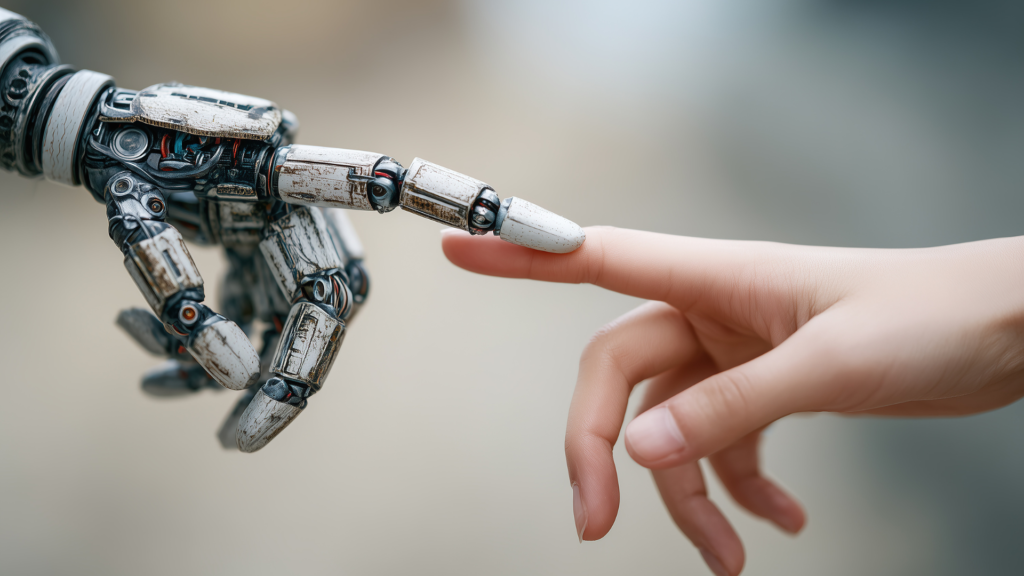
AI handles speed and scale, while humans provide judgment and ethics.
Final Conclusion
In 2026, cybersecurity is no longer about firewalls alone. Artificial intelligence has become the backbone of digital defense, protecting data, identities, and systems in an increasingly connected world. The safest digital future will be built through collaboration between intelligent machines and responsible humans.