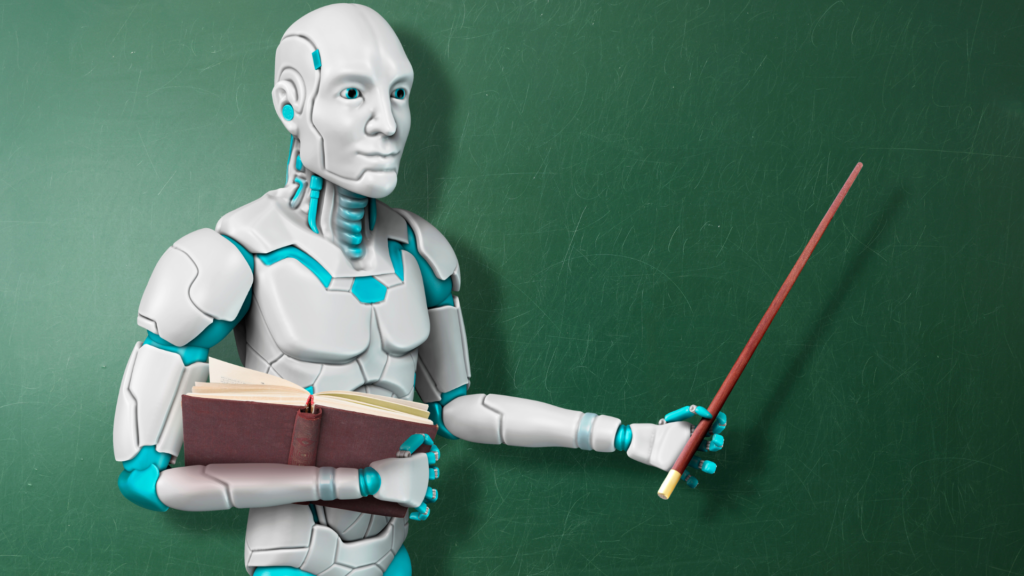
Technology no longer lives only in our phones or laptops. By 2026, smart devices have quietly entered almost every corner of daily life. From the moment people wake up to the time they fall asleep, artificial intelligence works in the background, learning habits, simplifying routines, and saving time.
What once felt futuristic has now become normal — and that shift is happening faster than anyone expected.
Smart devices are no longer just “connected.” They are intelligent, adaptive, and deeply personalized.
How Smart Devices Have Evolved Over the Years
Earlier smart devices followed commands. They waited for instructions and responded only when triggered.
In 2026, this model has changed.
Modern devices observe patterns. They learn behavior. They anticipate needs.
A smart home no longer waits for you to turn on lights or adjust temperature. It understands your routine and adapts automatically.
Technology has moved from reaction to prediction.
AI as the Brain Behind Smart Living
Artificial intelligence acts as the central nervous system of smart devices.
It connects sensors, data, and behavior into meaningful actions.
For example, wearables analyze sleep quality, stress levels, and activity patterns. Smart homes adjust lighting and temperature based on that data. Health apps provide insights rather than raw numbers.
Everything works together.
This ecosystem approach is what makes 2026 different.
Smart Homes Are Becoming Truly Intelligent
Smart homes in the past were mostly about convenience.
Now they are about comfort, safety, and efficiency.
AI-powered homes learn daily habits and automatically optimize energy usage. Appliances operate during low-tariff hours. Climate systems adjust room by room. Security systems detect unusual behavior patterns rather than just motion.
Homes feel responsive rather than automated.
Wearable Technology Goes Beyond Fitness
Wearables in 2026 are not limited to step counting.
They track heart health, stress trends, hydration levels, and recovery patterns. AI interprets this data and offers simple insights that users can actually understand.
Instead of numbers, people receive guidance.
This makes preventive healthcare more accessible.
Smart Devices in Healthcare Are Saving Lives
Healthcare has seen one of the biggest impacts.
Remote monitoring devices allow doctors to track patients without constant hospital visits. AI alerts medical professionals when early warning signs appear.
This reduces emergency cases and improves long-term care.
Healthcare becomes proactive instead of reactive.
AI-Powered Assistants Are Becoming Everyday Companions
Voice assistants are evolving rapidly.
They now understand context, emotion, and intent. Conversations feel natural rather than mechanical.
These assistants manage schedules, summarize information, remind users intelligently, and even help with decision-making.
They no longer feel like tools — they feel like helpers.
Smart Transportation Is Redefining Mobility
AI-driven navigation systems analyze real-time traffic, weather, and road conditions.
Vehicles adapt routes instantly.
Electric vehicles optimize battery usage automatically.
Public transport systems become more efficient.
Commuting becomes smoother and less stressful.
Energy Efficiency and Sustainability
Smart devices play a major role in reducing energy waste.
AI monitors consumption patterns and suggests improvements. Homes and offices use only what is needed.
This lowers bills and reduces environmental impact.
Technology supports sustainability without forcing lifestyle changes.
Smart Workspaces and Productivity
Work environments are also changing.
AI-powered systems manage lighting, noise levels, and space utilization.
Meetings are summarized automatically.
Tasks are prioritized intelligently.
Work becomes more focused and less chaotic.
Privacy and Data Responsibility
With increased intelligence comes responsibility.
In 2026, privacy has become a major priority.
Companies are implementing transparent data policies. Users control permissions easily.
Trust is essential for adoption.
Smart technology succeeds only when users feel safe.
Challenges That Still Remain
Despite progress, challenges exist.
Device compatibility issues persist.
Data security requires constant improvement.
Over-dependence on automation can reduce awareness.
Balance remains important.
The Human Side of Smart Technology
Technology works best when it supports humans, not replaces them.
AI enhances comfort, health, and efficiency — but decision-making remains human.
Smart devices are tools, not authorities.
This mindset defines successful innovation.
What the Future Looks Like Beyond 2026
The next phase focuses on emotional intelligence.
Devices will understand tone, mood, and mental state.
Personal technology will become empathetic.
The goal is not more automation — it is better understanding.
Final Thoughts
Smart devices in 2026 are no longer about luxury.
They are about improving quality of life.
AI quietly handles complexity so people can focus on living.
The best technology is the one you hardly notice — because it simply works.