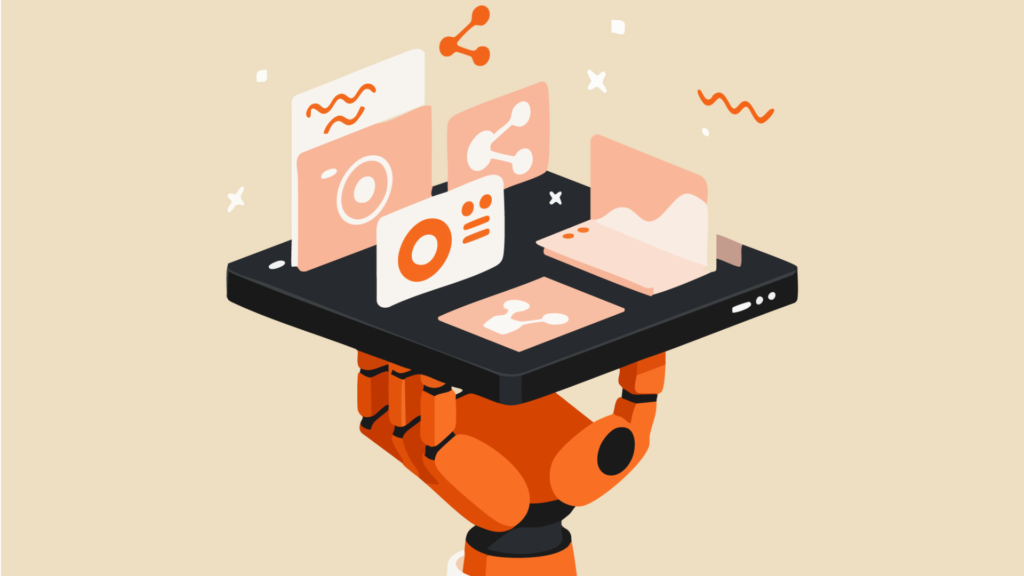
The internet was built on human expression. Blogs, videos, stories, tutorials, and opinions shaped how people learned and connected online. Over time, content exploded in volume, and speed became more important than quality. By 2026, artificial intelligence is reshaping this landscape once again — not by replacing creators, but by redefining how content is planned, produced, and experienced.
AI has quietly become part of nearly every digital platform. From writing assistance to video editing and idea generation, intelligent systems support creators at every stage. Yet the most successful content in 2026 still feels human, emotional, and authentic.
This balance between technology and creativity defines the modern internet.
The Shift From Manual Creation to Assisted Creativity
Earlier, content creation depended heavily on time and effort. Writing a blog, editing a video, or designing graphics required multiple tools and long workflows.
AI now simplifies this process.
Creators use intelligent assistants to outline ideas, structure narratives, refine language, and optimize presentation. These tools do not create meaning — they help shape it.
This assistance reduces fatigue and allows creators to focus on storytelling rather than technical friction.
Creativity becomes smoother, not automated.
Content Strategy Is Becoming Data-Aware
In 2026, creators no longer guess what audiences want.
AI analyzes engagement data, search trends, reading behavior, and audience interests. It helps identify what topics matter and how people prefer consuming information.
This insight improves relevance.
However, the final voice remains human.
AI provides direction — creators provide emotion.
Writing Is Becoming More Conversational
Modern readers prefer natural language.
AI encourages clarity, simplicity, and flow. Complex jargon is replaced with easy explanations.
Content reads like a conversation rather than a lecture.
This shift improves readability and trust.
People connect more with content that feels genuine.
Visual Content Is Easier to Produce
AI-powered design and video tools allow creators to produce visuals without technical expertise.
Images, thumbnails, animations, and short videos are generated or enhanced quickly.
This democratizes content creation.
Small creators now compete with large media houses.
The internet becomes more diverse.
Speed Without Burnout
One of the biggest benefits of AI in content creation is sustainability.
Creators no longer need to work endlessly to keep up with demand.
AI handles repetitive tasks like formatting, resizing, editing, and optimization.
This reduces burnout and improves consistency.
Creativity becomes enjoyable again.
Authenticity Matters More Than Ever
As AI-generated content increases, audiences become more sensitive to authenticity.
Generic content loses attention quickly.
In 2026, readers value personal insights, opinions, experiences, and storytelling.
AI supports structure — but originality comes from humans.
Trust is built through honesty, not volume.
SEO Is Becoming More Experience-Focused
Search engines now prioritize content that genuinely helps users.
AI assists creators in improving clarity, structure, and relevance.
Keyword stuffing and manipulation no longer work.
Quality, engagement, and satisfaction matter more.
Content must answer real questions.
AI Helps Maintain Consistency
Maintaining tone and brand voice across platforms is challenging.
AI helps creators stay consistent without sounding robotic.
This strengthens personal brands and publications.
Consistency builds recognition.
Ethical Use of AI in Content
Responsible use is essential.
Plagiarism, misinformation, and over-automation damage credibility.
In 2026, ethical guidelines encourage transparency and originality.
AI is a tool — not a shortcut.
Creators who respect this principle build long-term trust.
Content Creation as a Career Is Expanding
More people earn through blogs, newsletters, videos, and digital products.
AI lowers entry barriers.
Individuals can publish professional-quality content with limited resources.
The creator economy continues growing.
Expression becomes opportunity.
Audience Relationships Are Deepening
AI allows creators to understand audience behavior better.
This insight supports better communication.
However, emotional connection still comes from storytelling.
Technology supports reach — humanity builds loyalty.
Challenges Remain
Oversaturation, misinformation, and quality control remain concerns.
Creators must balance speed with depth.
AI makes creation easier, but responsibility remains human.
Quality still requires intention.
The Future of Digital Expression
Content in 2026 is not about flooding the internet.
It is about meaning.
AI removes friction so ideas can flow freely.
Creativity becomes more accessible, but authenticity remains rare — and valuable.
Final Thoughts
AI is not replacing creativity.
It is redefining how creativity is delivered.
The internet in 2026 belongs to those who combine intelligence with empathy, clarity with honesty, and technology with human insight.
Content creation is evolving — but its heart remains human.