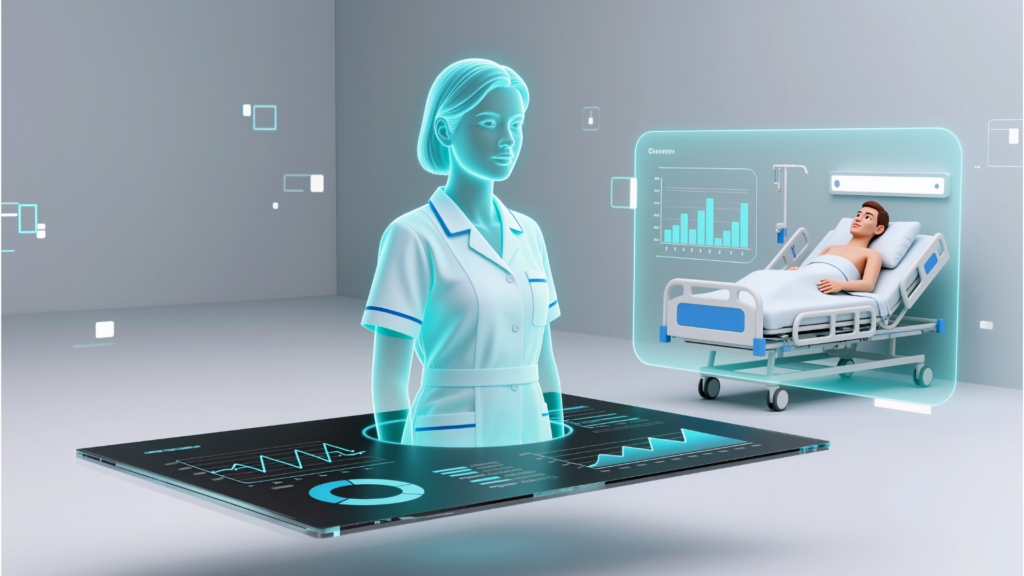
Healthcare has always been one of the most complex and emotionally sensitive industries in the world. Every decision carries weight, and every delay can affect lives. By 2026, artificial intelligence is quietly becoming one of the most powerful support systems in modern healthcare — not replacing doctors, but strengthening their ability to care.
Unlike other industries where speed is the main goal, healthcare demands accuracy, trust, and empathy. AI’s role is not to act independently, but to assist humans in making better, faster, and safer decisions.
This balance is what defines healthcare in 2026.
The Shift From Reactive to Predictive Care
Traditional healthcare has long been reactive. Patients visit hospitals after symptoms appear. Treatment begins once illness is visible.
AI changes this model.
In 2026, predictive systems analyze health data to detect early warning signs. Patterns in heart rate, sleep cycles, lifestyle habits, and historical records allow doctors to identify risks before they turn serious.
This approach reduces hospital admissions and improves long-term health outcomes.
Medicine is no longer just about curing — it is about preventing.
Faster and More Accurate Diagnosis
One of the biggest breakthroughs of AI in healthcare is diagnostic support.
AI systems can analyze medical images, lab reports, and scans within seconds. They highlight abnormalities that may be missed during manual review.
Doctors remain responsible for final decisions, but AI acts as a second pair of eyes.
This collaboration reduces errors and speeds up diagnosis — especially in regions with limited medical specialists.
In 2026, early detection saves more lives than ever before.
Personalized Treatment Is Becoming Normal
No two patients are identical.
AI systems analyze genetic data, medical history, and lifestyle patterns to help doctors create personalized treatment plans.
Instead of generic prescriptions, therapies are tailored to individual needs.
This improves effectiveness and reduces side effects.
Healthcare becomes more precise and patient-centric.
Hospitals Are Becoming Smarter and More Efficient
AI is improving hospital operations behind the scenes.
Bed availability, staff scheduling, inventory management, and patient flow are optimized automatically.
This reduces waiting times and prevents overcrowding.
Doctors and nurses spend less time on paperwork and more time with patients.
Efficiency directly improves quality of care.
Remote Healthcare Is Expanding Access
Telemedicine has grown rapidly, and AI strengthens it further.
In 2026, AI-powered virtual assistants handle symptom analysis, appointment scheduling, and follow-up reminders.
Remote monitoring devices send real-time data to healthcare providers.
Patients in rural or underserved areas receive continuous care without frequent hospital visits.
Healthcare becomes accessible beyond physical boundaries.
AI Is Supporting Mental Health Care
Mental health care often lacks enough professionals.
AI-based tools now assist therapists by tracking emotional patterns, sleep quality, and behavioral changes.
These tools do not replace human therapy but help identify when intervention is needed.
Early support reduces crisis situations.
Technology becomes a bridge, not a substitute, for emotional care.
Medical Research Is Accelerating Rapidly
Drug discovery traditionally takes years.
AI shortens this timeline by analyzing molecular interactions and predicting outcomes.
In 2026, research that once required massive trial phases is now optimized digitally before physical testing begins.
This speeds innovation while reducing costs.
New treatments reach patients faster.
Data Privacy Remains a Core Priority
Healthcare data is extremely sensitive.
AI systems in 2026 operate under strict privacy frameworks.
Encryption, anonymization, and access control are standard.
Patients have greater transparency and control over their data.
Trust remains the foundation of AI-driven healthcare.
Doctors Are Becoming Technology-Enhanced Professionals
Rather than replacing doctors, AI enhances their abilities.
Physicians receive summarized patient histories, risk alerts, and evidence-based suggestions instantly.
This allows more thoughtful consultations and informed decisions.
The human connection between doctor and patient becomes stronger, not weaker.
Ethical Boundaries Guide AI Use
Healthcare AI is heavily regulated.
Algorithms are tested for bias, accuracy, and fairness.
Decisions affecting lives always involve human approval.
AI acts as a support system — never an authority.
This ethical framework ensures safety and accountability.
The Emotional Impact on Patients
Patients feel more informed and empowered.
They receive clear explanations, timely alerts, and consistent monitoring.
Anxiety decreases when uncertainty reduces.
AI provides reassurance through continuity of care.
This emotional stability is as valuable as clinical outcomes.
The Road Ahead
Healthcare transformation does not happen overnight.
But in 2026, the direction is clear.
AI is making healthcare more proactive, precise, and accessible.
Hospitals become smarter, doctors become more supported, and patients become better informed.
Technology serves humanity — not the other way around.
Final Thoughts
AI in healthcare is not about machines replacing compassion.
It is about removing inefficiencies that stand between doctors and patients.
In 2026, intelligent systems work quietly in the background so caregivers can focus on what truly matters — healing.
The future of healthcare is not robotic.
It is human, supported by intelligence.
Healthcare has always been one of the most complex and emotionally sensitive industries in the world. Every decision carries weight, and every delay can affect lives. By 2026, artificial intelligence is quietly becoming one of the most powerful support systems in modern healthcare — not replacing doctors, but strengthening their ability to care.
Unlike other industries where speed is the main goal, healthcare demands accuracy, trust, and empathy. AI’s role is not to act independently, but to assist humans in making better, faster, and safer decisions.
This balance is what defines healthcare in 2026.
The Shift From Reactive to Predictive Care
Traditional healthcare has long been reactive. Patients visit hospitals after symptoms appear. Treatment begins once illness is visible.
AI changes this model.
In 2026, predictive systems analyze health data to detect early warning signs. Patterns in heart rate, sleep cycles, lifestyle habits, and historical records allow doctors to identify risks before they turn serious.
This approach reduces hospital admissions and improves long-term health outcomes.
Medicine is no longer just about curing — it is about preventing.
Faster and More Accurate Diagnosis
One of the biggest breakthroughs of AI in healthcare is diagnostic support.
AI systems can analyze medical images, lab reports, and scans within seconds. They highlight abnormalities that may be missed during manual review.
Doctors remain responsible for final decisions, but AI acts as a second pair of eyes.
This collaboration reduces errors and speeds up diagnosis — especially in regions with limited medical specialists.
In 2026, early detection saves more lives than ever before.
Personalized Treatment Is Becoming Normal
No two patients are identical.
AI systems analyze genetic data, medical history, and lifestyle patterns to help doctors create personalized treatment plans.
Instead of generic prescriptions, therapies are tailored to individual needs.
This improves effectiveness and reduces side effects.
Healthcare becomes more precise and patient-centric.
Hospitals Are Becoming Smarter and More Efficient
AI is improving hospital operations behind the scenes.
Bed availability, staff scheduling, inventory management, and patient flow are optimized automatically.
This reduces waiting times and prevents overcrowding.
Doctors and nurses spend less time on paperwork and more time with patients.
Efficiency directly improves quality of care.
Remote Healthcare Is Expanding Access
Telemedicine has grown rapidly, and AI strengthens it further.
In 2026, AI-powered virtual assistants handle symptom analysis, appointment scheduling, and follow-up reminders.
Remote monitoring devices send real-time data to healthcare providers.
Patients in rural or underserved areas receive continuous care without frequent hospital visits.
Healthcare becomes accessible beyond physical boundaries.
AI Is Supporting Mental Health Care
Mental health care often lacks enough professionals.
AI-based tools now assist therapists by tracking emotional patterns, sleep quality, and behavioral changes.
These tools do not replace human therapy but help identify when intervention is needed.
Early support reduces crisis situations.
Technology becomes a bridge, not a substitute, for emotional care.
Medical Research Is Accelerating Rapidly
Drug discovery traditionally takes years.
AI shortens this timeline by analyzing molecular interactions and predicting outcomes.
In 2026, research that once required massive trial phases is now optimized digitally before physical testing begins.
This speeds innovation while reducing costs.
New treatments reach patients faster.
Data Privacy Remains a Core Priority
Healthcare data is extremely sensitive.
AI systems in 2026 operate under strict privacy frameworks.
Encryption, anonymization, and access control are standard.
Patients have greater transparency and control over their data.
Trust remains the foundation of AI-driven healthcare.
Doctors Are Becoming Technology-Enhanced Professionals
Rather than replacing doctors, AI enhances their abilities.
Physicians receive summarized patient histories, risk alerts, and evidence-based suggestions instantly.
This allows more thoughtful consultations and informed decisions.
The human connection between doctor and patient becomes stronger, not weaker.
Ethical Boundaries Guide AI Use
Healthcare AI is heavily regulated.
Algorithms are tested for bias, accuracy, and fairness.
Decisions affecting lives always involve human approval.
AI acts as a support system — never an authority.
This ethical framework ensures safety and accountability.
The Emotional Impact on Patients
Patients feel more informed and empowered.
They receive clear explanations, timely alerts, and consistent monitoring.
Anxiety decreases when uncertainty reduces.
AI provides reassurance through continuity of care.
This emotional stability is as valuable as clinical outcomes.
The Road Ahead
Healthcare transformation does not happen overnight.
But in 2026, the direction is clear.
AI is making healthcare more proactive, precise, and accessible.
Hospitals become smarter, doctors become more supported, and patients become better informed.
Technology serves humanity — not the other way around.
Final Thoughts
AI in healthcare is not about machines replacing compassion.
It is about removing inefficiencies that stand between doctors and patients.
In 2026, intelligent systems work quietly in the background so caregivers can focus on what truly matters — healing.
The future of healthcare is not robotic.
It is human, supported by intelligence.