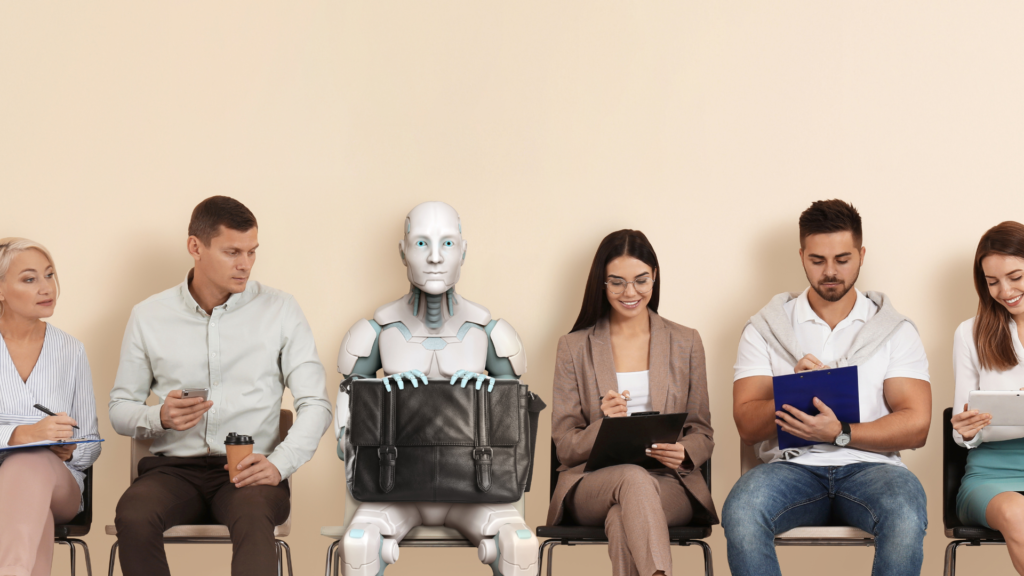
Artificial Intelligence is no longer something that lives only inside tech companies, research labs, or futuristic movies. In 2026, AI has silently become part of everyday life. Not in a dramatic way, not with robots walking on the streets, but in small, invisible moments that most people don’t even notice anymore.
When you unlock your phone using face recognition, when Google finishes your sentence, when Netflix knows exactly what you want to watch after a long day, or when your email filters spam perfectly without effort, AI is already working in the background. The real transformation is not loud. It is quiet, smooth, and deeply personal.
What makes 2026 different is not that AI suddenly became smarter overnight. It is that AI became normal. People stopped talking about it every day, even though they rely on it more than ever before. This silent adoption is shaping how we work, learn, shop, communicate, and even think.
Let’s explore how AI is slowly but powerfully reshaping everyday life in ways most people still underestimate.
AI Is Becoming a Daily Companion, Not a Tool
In earlier years, AI felt like a tool you used intentionally. You opened an app, typed a command, and waited for a result. In 2026, that behavior is changing fast. AI is shifting from something you “use” to something that quietly “assists” you throughout the day.
Smart assistants now understand context better. They remember your habits, your schedules, and your preferences. They do not just respond to commands but predict what you may need next. If you usually book cabs at 9 AM, your phone might suggest it automatically. If you always order groceries on weekends, reminders appear before you even think about it.
This creates a feeling that technology is finally adapting to humans instead of humans adapting to technology. That emotional comfort is one of the biggest reasons AI adoption is growing so fast without resistance.
People trust what feels helpful, not intrusive.
Work Life Is Changing Without Big Announcements
Many people believe AI will replace jobs suddenly, but in reality, the change is happening very quietly. In 2026, most professionals are not replaced by AI. Instead, their work is reshaped.
Office workers now spend less time on repetitive tasks. Reports are drafted automatically. Emails are summarized instantly. Meetings generate AI-written notes with action points. This doesn’t remove the human from work, but it removes exhaustion.
Employees now focus more on decision-making, creativity, and communication. The boring parts of work slowly fade into automation. Over time, people feel less burnout, even if they don’t consciously credit AI for it.
This subtle shift is powerful because it doesn’t create fear. It creates relief.
Learning Is Becoming Personalized for Everyone
Education in 2026 looks very different from traditional classrooms. AI-powered learning platforms now adapt content according to individual understanding levels. Two students studying the same topic may receive completely different explanations.
If one learner struggles with concepts, AI slows down and simplifies explanations. If another learns faster, AI challenges them with deeper material. This level of personalization was impossible earlier at scale.
Students no longer feel embarrassed to ask the same question repeatedly. AI tutors have infinite patience. They never judge, never rush, and never get tired.
This is quietly building confidence among learners, especially those who once believed they were “not good at studies.” In reality, they just needed a different teaching approach.
Healthcare Is Becoming More Preventive Than Reactive
AI’s influence in healthcare is one of the most meaningful changes in 2026. Instead of reacting after illness occurs, systems are shifting toward prevention.
Wearable devices now monitor sleep patterns, heart rate, stress levels, and physical activity continuously. AI analyzes this data and alerts users before problems become serious.
Doctors receive smarter diagnostic support. AI doesn’t replace medical professionals but helps them detect patterns humans may miss. Early-stage diseases are identified sooner, saving time, money, and lives.
For patients, healthcare feels less frightening and more supportive. People feel guided rather than judged. That emotional difference matters more than technology itself.
Shopping Has Become Predictive and Effortless
Online shopping in 2026 feels almost intuitive. AI understands user behavior so deeply that recommendations feel natural rather than forced.
Instead of pushing random ads, platforms now suggest products based on real-life timing. Seasonal needs, past purchases, and even lifestyle changes influence suggestions.
For example, if someone starts working from home, their shopping feed may gradually include ergonomic chairs, lighting solutions, and productivity tools. It doesn’t feel manipulative. It feels helpful.
This shift increases trust between brands and consumers. When people feel understood rather than targeted, loyalty grows naturally.
Content Creation Is Becoming More Human, Not Less
One of the biggest misconceptions is that AI will make content robotic. In reality, AI is helping creators become more human.
Writers use AI for structure, research, and idea generation, but emotions still come from real experiences. Video creators use AI for editing, subtitles, and visuals, allowing them to focus on storytelling.
In 2026, the most successful content is not AI-generated content. It is AI-assisted human content.
Audiences connect with authenticity. AI simply removes technical barriers so creators can express themselves better and faster.
Businesses Are Making Smarter Decisions
Small and medium businesses now have access to data analysis that was once available only to large corporations. AI dashboards analyze customer behavior, sales patterns, and marketing performance in real time.
Business owners no longer rely purely on guesswork. Decisions are supported by insights presented in simple language.
This levels the playing field. A small startup can compete with big brands if it understands its audience deeply. AI is democratizing intelligence.
When decisions improve, confidence improves. Entrepreneurs feel more in control of their future.
AI Is Changing How We Communicate
Communication itself is evolving. AI now helps people write better emails, clearer messages, and more professional communication.
This especially helps non-native English speakers. Language barriers are slowly fading. People feel more confident expressing ideas globally.
At the same time, AI translation tools allow real-time conversations between different languages. This is quietly shrinking the world.
Collaboration across borders is becoming normal, not exceptional.
The Emotional Side of AI Adoption
What many people ignore is the emotional role AI now plays. For some, AI acts as a planning partner. For others, a learning companion. For creators, a silent collaborator.
People talk to AI not because they are lonely, but because it provides clarity without judgment. It helps organize thoughts, reduce stress, and bring structure to chaos.
This emotional support aspect is rarely discussed, but it’s one of the strongest reasons AI is deeply integrating into daily routines.
The Real Future Is Collaboration, Not Replacement
The biggest truth about AI in 2026 is simple. AI is not here to replace humanity. It is here to support it.
Humans bring empathy, creativity, ethics, and intuition. AI brings speed, memory, and pattern recognition. Together, they form something stronger than either alone.
The future belongs to those who learn to collaborate with AI rather than fear it.
Those who adapt will not lose their relevance. They will multiply it.
Final Thoughts
AI in 2026 is not dramatic. It is not scary. It is not taking over the world.
It is quietly improving daily life in small but meaningful ways.
From the moment we wake up to the moment we sleep, AI works silently in the background, helping us manage time, make better decisions, learn faster, stay healthier, and live more efficiently.
The real revolution is not artificial intelligence.
It is how naturally it has become part of being human.
And this is only the beginning.