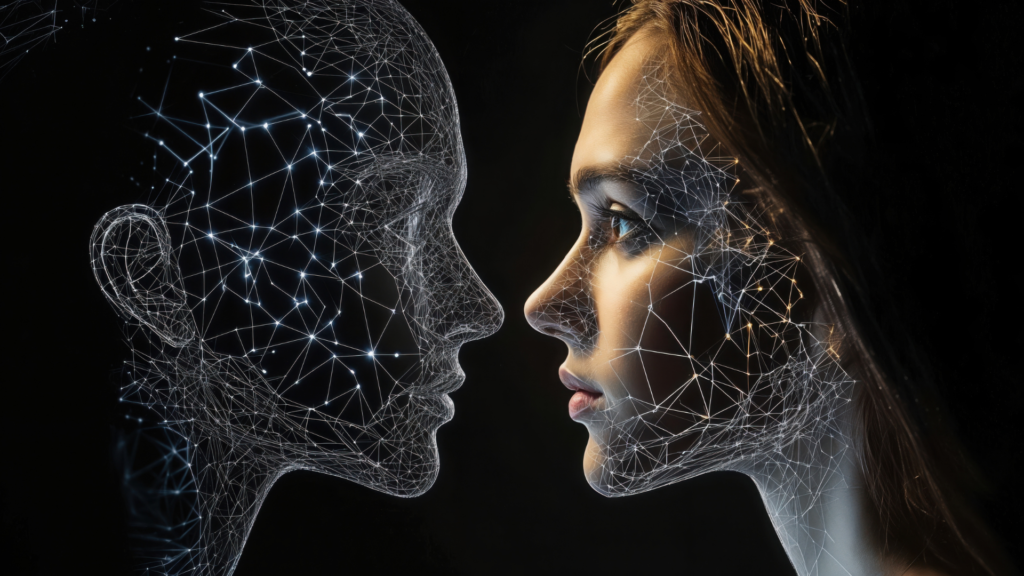
Artificial intelligence is often imagined as something loud and obvious. Chatbots that talk back. Robots that look human. Screens filled with dashboards and data. But the future of AI is moving in a very different direction.
After 2026, the most powerful AI systems will not demand attention. They will work quietly in the background, supporting human life without constant interaction. This shift is creating what many experts call invisible AI — intelligence that blends into environments, routines, and decisions naturally.
In this article, we explore what invisible AI really means, why it matters, and how it will change daily life, work, and technology in the coming years.
What Is Invisible AI?
Invisible AI refers to artificial intelligence systems that operate without direct interaction most of the time. Instead of asking questions or clicking buttons, people benefit from AI automatically.
These systems rely on context, behavior, timing, and patterns rather than commands. The goal is not to replace humans but to reduce friction in everyday activities.
When AI becomes invisible, technology feels calmer and more human.
Why AI Is Becoming Less Visible
For years, progress in technology focused on adding features. More buttons. More options. More alerts. Over time, this created overload.
Invisible AI is a response to this problem.
As AI becomes more capable, it no longer needs constant supervision. It can observe patterns and act responsibly in the background.
The best technology often disappears into routine. Invisible AI follows the same principle.
How Invisible AI Works Behind the Scenes
Invisible AI systems use a combination of:
Behavioral data
Environmental signals
Time-based routines
User preferences
Instead of storing everything centrally, modern designs focus on local processing and minimal data sharing.
Machine learning models improve over time by understanding what works and what does not.
The result is assistance that feels natural rather than intrusive.
Invisible AI in Everyday Life
After 2026, invisible AI will quietly support daily routines.
Your home may adjust lighting, temperature, and energy use based on habits rather than settings. Transportation apps could plan routes before you ask. Health apps might notice early signs of fatigue and suggest rest.
None of this requires conversation or commands. The AI simply understands the situation.
This reduces cognitive load and saves time.
How Invisible AI Changes Work Environments
Workplaces are full of interruptions. Notifications, emails, reminders, and meetings compete for attention.
Invisible AI helps by managing coordination quietly.
It may organize schedules, prioritize tasks, and surface information only when it matters.
Instead of reacting all day, workers can focus on meaningful work.
This shift improves productivity and reduces burnout.
Invisible AI and Decision Support
Decision-making often suffers from too much information.
Invisible AI filters noise and highlights what matters.
Rather than dashboards full of data, users receive insights at the right moment. This makes decisions faster and more confident.
Humans remain in control. AI simply provides clarity.
The Role of Invisible AI in Business Growth
Businesses benefit when systems work smoothly without constant monitoring.
Invisible AI can optimize operations, detect inefficiencies, and improve customer experiences quietly.
Marketing systems may adapt content based on behavior rather than assumptions. Support tools could resolve simple issues automatically.
This allows teams to focus on strategy instead of maintenance.
Privacy and Trust in Invisible AI
One concern with invisible systems is control. If AI works in the background, how do users know what it is doing?
Modern invisible AI emphasizes transparency and consent.
Users should always be able to see, adjust, or disable AI behavior. Ethical design ensures that automation supports, not surprises.
Trust is essential for long-term adoption.
Invisible AI in Education
Learning environments will become more adaptive.
Invisible AI may adjust content pacing, recommend resources, and identify learning gaps without interrupting students.
Teachers receive insights without extra workload.
The focus remains on human connection and understanding.
Healthcare Benefits of Invisible AI
In healthcare, invisible AI can support monitoring and coordination.
Wearables may detect changes early. Hospital systems could prioritize resources efficiently.
Doctors benefit from better context without losing control.
Care becomes more proactive and personalized.
Challenges of Invisible AI
Invisible AI is not without challenges.
Misinterpretation of context can lead to mistakes. Over-automation can reduce awareness.
Designing systems that know when not to act is just as important as knowing when to help.
Continuous feedback and oversight are necessary.
Why Invisible AI Is the Next Evolution of Technology
Technology succeeds when it fits into life naturally.
Invisible AI represents maturity. It focuses on usefulness rather than novelty.
After 2026, the most valuable AI systems will not impress with features. They will simply make life easier.
This shift will define the next era of digital innovation.
How Individuals Can Prepare for Invisible AI
Preparation does not require technical expertise.
Awareness is enough. Understand where automation helps and where human judgment matters.
Choose tools that respect attention and privacy.
Invisible AI works best when aligned with personal values.
How Businesses Should Adapt
Businesses should rethink how technology supports people.
Instead of adding tools, focus on integration. Instead of dashboards, focus on insights.
Invisible AI rewards clarity of goals and ethical design.
Companies that adapt early will gain long-term trust.
Final Thoughts
The future of artificial intelligence is not about louder machines or smarter screens.
It is about intelligence that quietly supports human life.
Invisible AI will shape how we live, work, and decide after 2026.
The best technology will not demand attention.
It will simply be there when we need it.