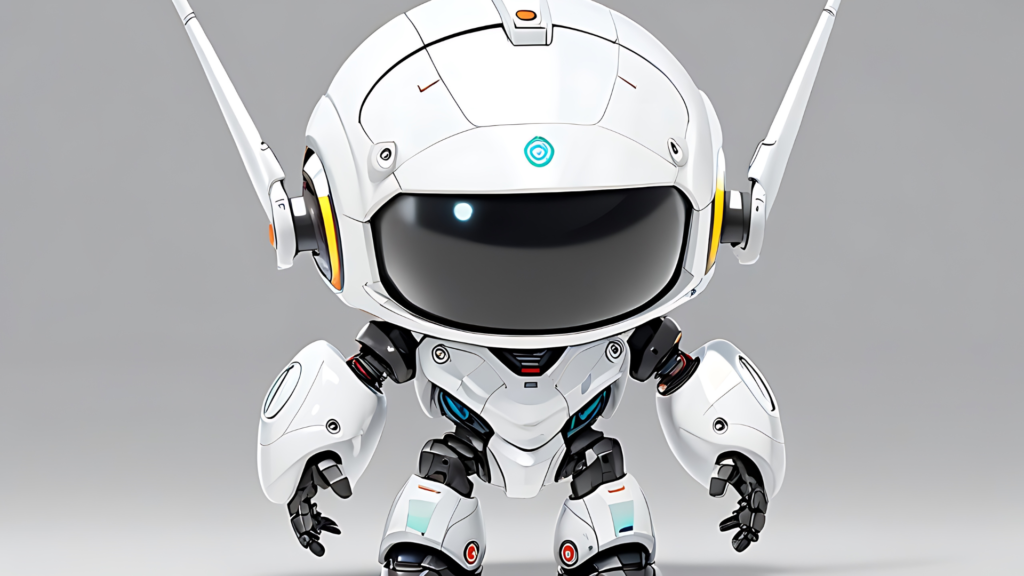
Artificial Intelligence is everywhere in 2025—but most people don’t stop to think about it.
AI is no longer something you “use” consciously. It works quietly in the background, shaping how you wake up, shop online, communicate, work, travel, and even relax. Unlike earlier tech revolutions, this one doesn’t announce itself loudly. It blends into daily life so smoothly that we barely notice the change.
In this detailed guide, we’ll explore how AI is transforming everyday life in 2025, with real examples you can relate to—no technical jargon, no hype, just practical insight.
🤖 AI Is No Longer Optional — It’s Invisible
In the past, new technology demanded attention. Today, AI does the opposite.
It works silently:
Suggesting what you watch
Predicting what you buy
Optimizing how you work
Saving time without asking
This invisible integration is what makes AI so powerful—and why understanding it matters.
📱 AI in Smartphones & Daily Apps
Your phone is one of the biggest examples of AI in action.
AI helps by:
Improving camera quality automatically
Predicting text and correcting errors
Filtering spam calls and messages
Managing battery usage
Recommending apps and content
You don’t “turn on” AI—it’s already working.
🛒 AI in Online Shopping & Recommendations
Ever noticed how shopping apps seem to know what you want?
That’s AI.
In 2025, AI:
Tracks browsing behavior
Predicts buying intent
Shows personalized offers
Optimizes pricing in real time
This makes shopping faster and more relevant—but also raises awareness about data usage.
🏠 AI in Smart Homes & Daily Comfort
AI-powered homes are becoming normal, not futuristic.
Smart AI systems:
Adjust lighting automatically
Control room temperature
Manage energy consumption
Improve home security
Voice assistants and automation tools quietly create comfort without constant input.
💼 AI at Work: Less Effort, Better Results
Work culture has changed drastically.
AI now assists with:
Writing emails
Scheduling meetings
Managing tasks
Creating reports
Analyzing performance
This doesn’t replace workers—it supports them.
Websites like TechAiNex.com focus on explaining these tools so everyday users can benefit without confusion.
✍️ AI in Content, Creativity & Learning
Creativity hasn’t disappeared—it has evolved.
AI helps people:
Write blogs and articles
Design presentations
Create videos
Learn faster through personalization
Students, creators, and professionals all benefit when AI handles repetitive parts of the process.
🧑⚕️ AI in Health & Wellness
AI is making healthcare more accessible.
In daily life, AI:
Tracks fitness data
Suggests healthy habits
Assists doctors with diagnosis
Manages appointment scheduling
Even wellness apps now rely heavily on AI-driven insights.
🚗 AI in Travel & Transportation
AI makes travel smoother without being noticed.
Examples include:
Route optimization
Ride-fare predictions
Travel recommendations
Flight delay forecasting
These small improvements add up to better experiences.
💬 AI in Communication & Social Media
AI now decides:
What you see on social media
Which posts reach you
How content is ranked
It also helps creators schedule posts, analyze engagement, and grow faster—without burnout.
🔐 Is AI Safe in Everyday Life?
A fair question.
AI is generally safe when:
Platforms are reputable
Users understand basic privacy
Data is handled responsibly
The real risk isn’t AI itself—it’s lack of awareness.
Education-focused platforms like TechAiNex help bridge this gap.
🌱 Benefits of AI in Daily Life
When used responsibly, AI offers:
✔ Time savings
✔ Better decision-making
✔ Increased convenience
✔ Reduced stress
✔ Higher productivity
It’s not about replacing humans—it’s about augmenting human ability.
⚠️ Challenges People Should Be Aware Of
AI also comes with responsibilities:
Data privacy concerns
Over-dependency on automation
Misinformation risks
Understanding these limits helps users stay in control.
🔮 The Future of AI in Everyday Life
Looking ahead, AI will:
Become more personalized
Act as a digital life assistant
Integrate deeper into routines
Require better ethical awareness
The future belongs to those who understand AI, not fear it.
🏁 Final Thoughts
AI in 2025 isn’t dramatic—it’s subtle.
It works quietly, efficiently, and constantly. The biggest mistake people make is ignoring it simply because it feels normal.
By understanding how AI shapes daily life, you gain control instead of giving it away.
TechAiNex.com exists to explain this future clearly, honestly, and responsibly—one article at a time.